
My mind and body have been arguing a lot lately. My body seems to be saying I’m asking too much, and my mind is angry that it can’t do the things it wants to do.
Anger tends to pop up for three reasons basically:
The frustration of aging and not being as independent as I want.
Managing a household and what that involves on my own.
The pressure I put on myself to manage the challenges well.
I’ve been thinking about ways to handle the anger more successfully with ideas like:
Avoiding harsh self-criticism.
Maintaining a more positive attitude.
Watching for signs of depression or stress.
Paying attention to the present moment without judgment.
Staying physically active and prioritizing consistent sleep.
While considering the options, I find myself agreeing with certain suggestions that experts offer, but not so much with others.
Experts say physical activity makes it easier for older adults to continue doing household chores, getting in and out of bed or a chair, easily and moving around the neighborhood. This ability may help them maintain independence.
What I’m Finding:
I don’t disagree.
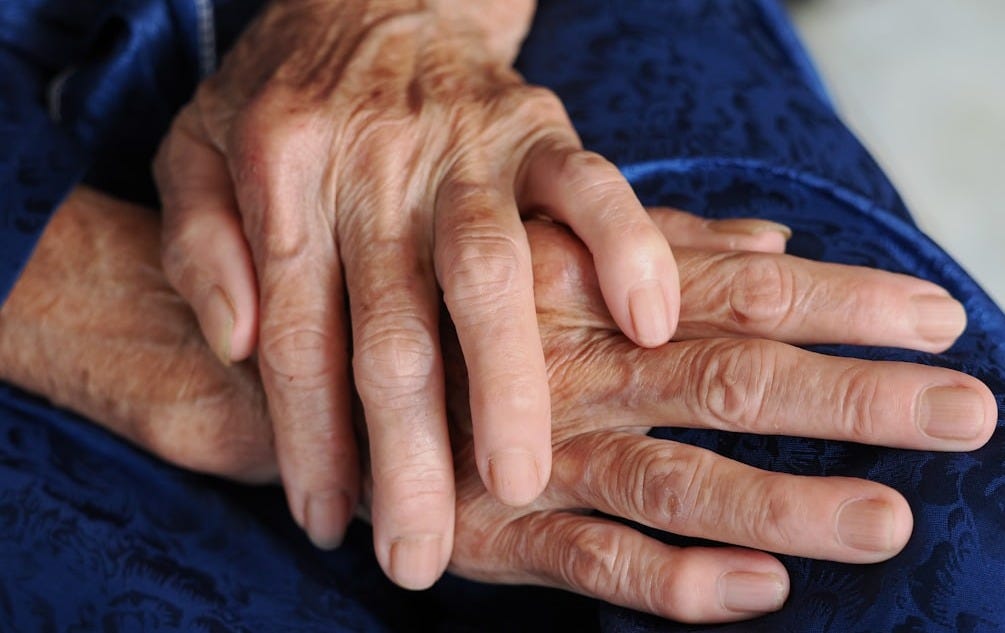
Yet, my body seems to discover more and more ways to curtail those activities. It just doesn’t do what it once did and seems to provide valid reasons for slowing me down - some arthritis, stiff fingers, and eyes and ears that don’t see and hear as well as they did.
I now worry about my heart when I want to walk up a hill, my knees when getting down and up from the floor, and my stomach - well, let’s just say it has ways of stopping me from going places, I’d like to go.
My tendency is to stay home and do nothing, but that’s not a good solution.
Experts say that instead of harsh self-criticism over what we can no longer do, we should practice treating ourselves with the same grace and empathy we’d offer a good friend.
What I’m finding:
I’ve never been an angry person - quite the opposite. But I’ve increasingly felt so the past year because of a body that doesn’t function as it did, the adjustments I have to make to keep going, and the simple things that are no longer easy to do. An angry person is not who I want to be.
I’m kind-hearted with others - but not myself. There’s a double standard in play which needs rethinking.
A starting point might be to appreciate what my body has achieved over the years and continues to do, because it has done and is doing a good job.
Experts say that in general, older adults report less negative and, more often, positive emotions than younger adults. They tend to use a wider variety of emotional regulation strategies.
What I’m Finding:
My experience has been the opposite. A combination of losses, physical pain, and learning to manage on my own have triggered strong feelings.
A part of it has to do with ageism. I resent people make assumptions about me based on what they think an 80-year-old can do - like thinking they need to help me walk across the street or go to the restroom. It’s also aggravating to hear people make jokes about my age, and decide I can’t do certain things without asking me.
The combination of aches and pains, stomach issues and other ailments, having to redo things numerous times, and struggles with technology are wearing over time - frustration builds and explodes.
Experts say that in older adults, depression can show up as anger, irritability, and sudden outbursts. Research shows a strong connection, indicating that the more severe a senior’s depression symptoms are, the more anger they are likely to feel and express.
What I’m Finding:
Depression is involved - not in a clinical way, but as a deep sadness regarding the forced changes I don’t really want to make.
My body can no longer do activities that once gave me pleasure, and I haven’t identified enjoyable replacements - but I’m working on it.
Technology is a major source of frustration, it seems to change daily, and there are many ways for tricksters and scammers to take my money or gain access to my information. I’m fairly computer savvy but still get tripped up.
I wonder if my mind and body could find a way to work together as a team allowing the circumstances of aging to be more acceptable. Hmmm!!!
Experts say stress in older adults is often missed. It doesn’t always look like panic or worry, instead, but may show up as poor sleep, physical discomfort, forgetfulness, or a lack of interest in things that once mattered - signs that are easy to miss or explain away, if they are viewed as part of the aging process.
Yet, when stress is ignored, it can take a toll on mental and physical well-being. So, paying attention is important.
What I’m Finding:
Stress connected to life changes cause physical symptoms, and physical symptoms cause stress.
The undue stress and pressure I put on myself remains an issue as I navigate these later chapters of life.
Frustration with my body probably adds to the stress.
Experts say older adults can manage stress effectively by focusing on the present moment without judgment, staying physically active with low-impact exercises, and prioritizing consistent sleep.
What I’m Finding:
I’m physically active and have fairly consistent sleep patterns.
Focusing my attention on the present moment without judgement remains a work in progress.
I’m experimenting with the idea that a conversation between my mind and body may be essential for long-term health and emotional regulation.
Acknowledging our body rather than ignoring it allows us to treat physical symptoms as information rather than an inconvenience.
My most recent body symptom is a rash. I’ve changed the laundry soap, shampoo, and bath soap. It’s better, but not perfect. So, I’m looking into other possibilities.
As an experiment, I asked the rash if it had a message for me - the thought that immediately came to mind was “ my body is irritated with me - for being irritated with it.”
That’s possible! And it’s a concrete doable idea I can start working on today.
Another option might be to look at my choices and self-talk to make sure they support both my body and mind.
So a question for you to consider: “Is there more I can do to honor my mind and body as I get older?
Please let your friends and family know about the Aging Well Newsletter. I want to share the lessons I’ve learned over the years of life and caregiving with as many people as possible, and, more than anything, I want to continue expanding our community of readers.
So, forward this email and invite them to join us. They can subscribe here:
Dr. Janice Walton is a psychologist, widow, mother, grandmother, great-grandmother, and writer. She has written articles for Substack for the past five years and recently published a book, The Insider’s Guide to Aging Well Through the Eyes of an 87-year-old.
A question we might want to consider: “What more we can do to honor our mind and body as we get older?
So much here resonates with me… my heart is smiling knowing that another solo elder is effectively navigating the challenges of aging alone:)